Monday, July 04, 2005

What do tea masters do in summer?


They drink tea! But to avoid excessive perspiration, they take refuge in the mountains, where the air is cooler and swept by caressing winds.

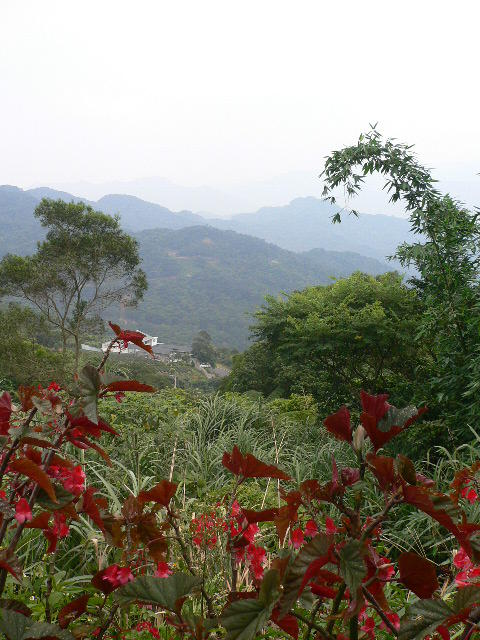
Last Saturday, I went to a very nice spot on Nankang Tea Mountain, east of Taipei: Guang Ming Temple. From there, I had a commanding view of the Wen Shan mountain area.


The temperature was 5 degrees lower than in downtown Taipei and enabled me to set up my gong fu cha accessories I always carry in the trunk of my car (except gas bottles!) I had time to drink green tie kuan yin, a second place oolong dong-ding competition tea and the rest of my Shi-zou Ali Shan oolong! This list probably makes me a very thirsty tea drinker!

It was a most enjoyable moment. The colors of the leaves were particularly bright under the sun. It didn't matter that the tea was warm. As Teaparker says: "Tea is a natural product. It is therefore very suited to be drunk outdoors. It will adapt to its environement and quench more than just our thirst."

Friday, July 01, 2005

Dur d'être un maitre de thé en été!

Non, je ne parle pas de boire du thé chaud quand tout le monde boit des sodas glacés. Après tout, le thé se boit froid aussi, et un bon oolong des montagnes saura vous transmettre une sensation vivifiante, même bu chaud.

Je veux parler de l'interdiction de porter du parfum ou de mettre du déodorant. Cette oukaze de Teaparker vise à ne pas perturber le nez avec des odeurs fortes et artificielles pendant la dégustation du thé. (Pour les femmes, le rouge à lèvres est également proscrit.) C'est surement utile, mais quand la température dépasse les 30 degrés, comme c'est le cas ces jours-ci à Taipei, cela demande beaucoup de tolérance dans son entourage! Ou bien un passage pluri-quotidien sous la douche!

Wednesday, June 29, 2005

Yunnan Jiang Cheng wild raw Pu Er, 1990. Tasting notes


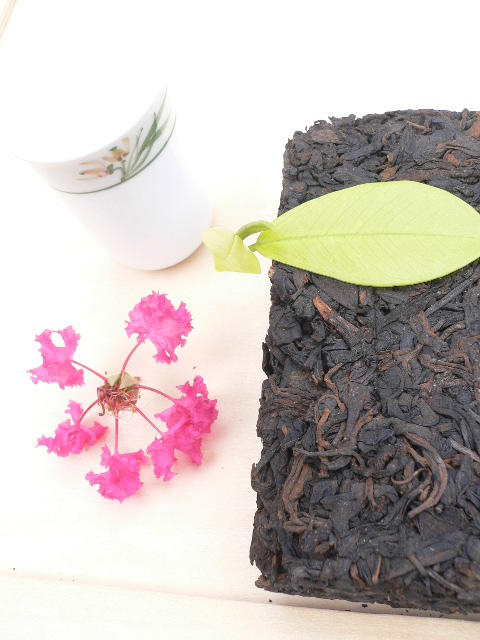
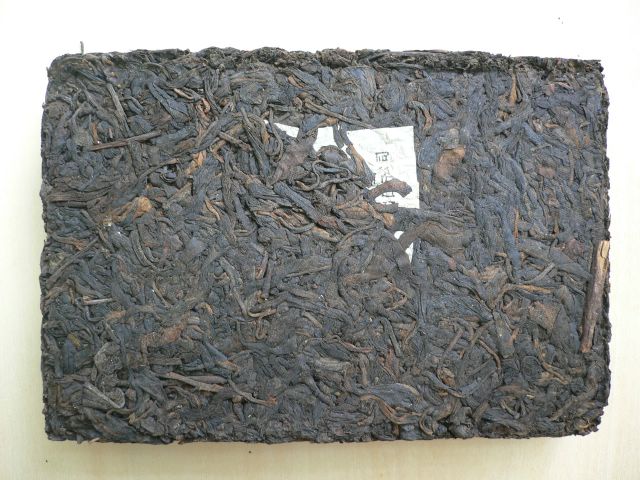
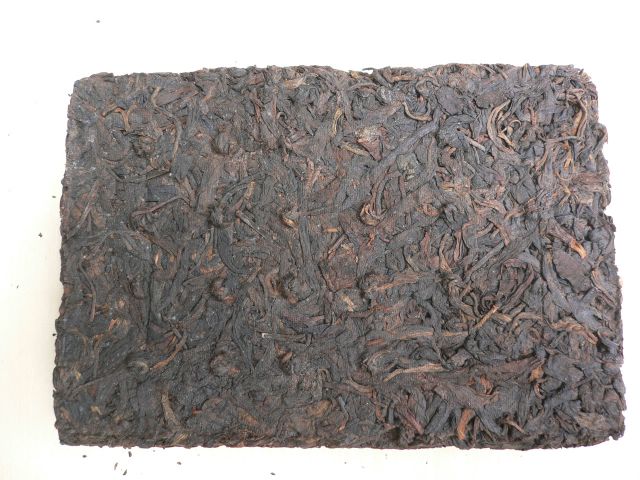
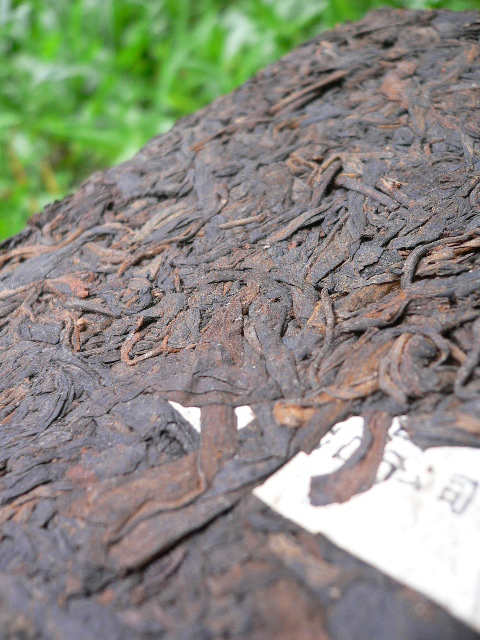
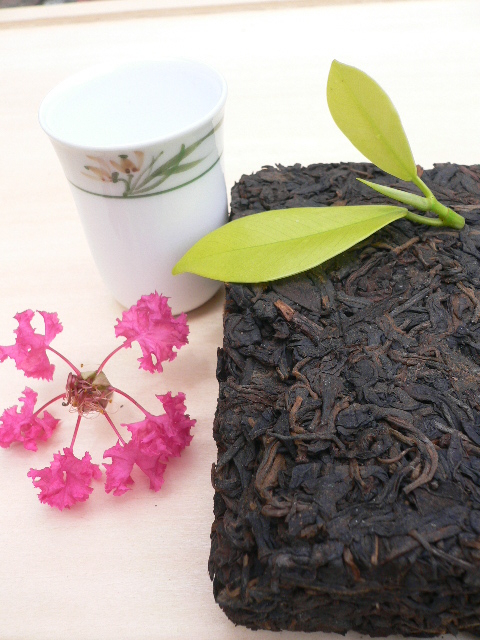
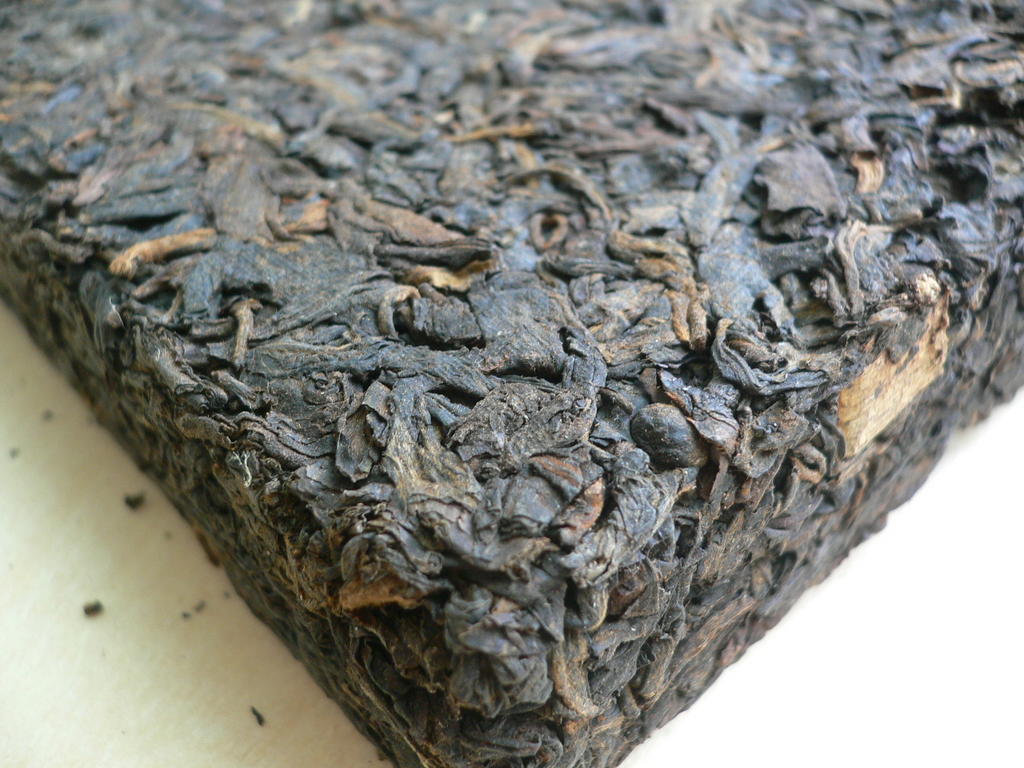
A raw (green) wild Pu Er approx. 300 grams brick. Leaves are all grade 1. It has already nicely and slowly aged. The color is not uniformly black, which shows the aging happened naturally and this is not a cooked puer. It can be enjoyed now or kept for further aging. The leaves are sharp and look still quite alive for their age: this is a sign of their wild strength. (See my pictures below. As before, I show you both sides and close ups. But this time I took the pictures outside to get natural light and show how well pu er connects with nature.)

Dry smell: Beyond the smell of aged, slowly fermented pu er, I was transported to a cloudy mountain in the China of a previous dynasty.

Color: Dark brown with a thin layer of tea oil.

Smell: The brew smells like precious old wood, a library in an old buddhist monastry lost in the high mountains.

Taste: Warm, mellow and long lasting. An invitation to escape.

Advice: 1 gram per 150 cc of water (but some prefer it stronger). Flake with great care (not so difficult on this brick). 8-10 brews.

Remark: This divine tea is best described with poetry. I am not the only one to like it. Teaparker introduced me and a couple of his students to this tea on March 21st, 2004. We all fell in love with it.

Yunnan Jiang Cheng Pu Er cru et sauvage, 1990.


Pu-er cru (vert) vieilli, devenu brun foncé, 300 gr environ. Les feuilles utilisées sont toutes de catégorie 1.(Voir 3 vues de surface et une de côté. On voit que le noir n’est pas uniforme, signe que son vieillissement est naturel et qu’il peut encore murir longtemps. Les feuilles restent reconnaissables : signe de qualité)

Odeur sèche : On sent les nuages au-dessus des montagnes de la Chine des Empereurs.
Couleur : Brun noir foncé avec une fine couche d’huile de thé.

Odeur : Elle me fait penser à du vieux bois, une bibliothèque dans un monastère bouddhiste perdu dans les montagnes.

Goût : Moelleux et persistant à souhait. Une invitation au rêve.

Conseil : 1 gr pour 150 cc d’eau. Comme toujours, décortiquer avec précaution.

Notes : Pour décrire un tel chef d’oeuvre, il me fallait passer à la poésie, à des images. Ce n’est pas que moi qui le trouve bon. Teaparker a choisi ce thé comme référence lorsque des amis, des proches lui demandent (achètent ou se font offrir) un pu-er sauvage vieilli de première qualité à un prix correct. J’y vois là la meilleure assurance plaisir et qualité que je puisse imaginer.

Ecrivez-moi si vous voulez cette brique pour vous évader en Chine, le temps d'une coupe de thé.

Yunnan Jiang Cheng wild Pu Er, 1990. Wrapping paper.

Yunnan Jiang Cheng wild pu-erh, 1990. Top view.

Yunnan Jiang Cheng wild pu-er, 1990. Bottom view.

Yunnan Jiang Cheng wild puerh, 1990. Close up of the top.

Yunnan Jiang Cheng wild puer, 1990. Side view of one corner.

Yunnan Jiang Cheng wild Pu Er, 1990